


06
Dec
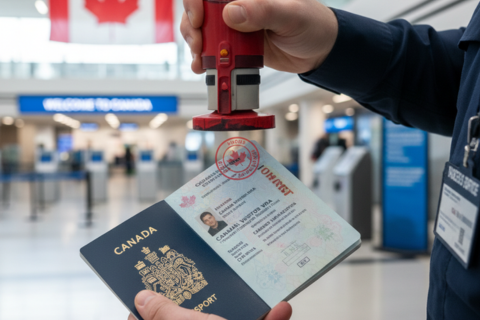
A visitor visa (also called a temporary resident visa) is an official document that we stick in your passport. It shows that you meet the requirements needed to travel to Canada.
1. Update on Qatar Citizens (Effective November 25, 2025)
Canada has simplified travel for citizens of Qatar:
- New Requirement: As of November 25, 2025, citizens of Qatar don’t need a visitor visa to travel by air.
- eTA Eligibility: They can now apply for an Electronic Travel Authorization (eTA) instead, which is a faster, simpler online process.
- Existing Visas: If a Qatari citizen already holds a valid visitor visa, they can continue to use that visa to travel to Canada until it expires.
2. Processing Times
| Category | Details |
|---|---|
| Duration | Varies by country (Check processing times on the official IRCC website). |
| Biometrics | You may need to give biometrics (fingerprints and photo) with your application. Note: The processing time does not include the time you need to give biometrics. Your application processing only begins after your biometrics are received. |
3.Fees
| Item | Starting Fee |
|---|---|
| Visitor Visa (TRV) | $CAN 100 (per person for single or multiple entry) |
| Biometrics (if required) | $CAN 85 (per person) or $CAN 170 (per family of 2 or more) |
4.Application Sections (What You Need to Know)
The official application process is broken down into distinct stages:
| Section | Key Action | Goal |
|---|---|---|
| Who Needs a Visitor Visa | Find out if you need a visitor visa to travel to Canada. | Determines if you are visa-required or visa-exempt (like Qatar citizens now are). |
| Who Can Apply | Requirements you need to meet to get a visitor visa. | Outlines the eligibility criteria (valid passport, good health, no criminal record, financial capacity, and ties to home country). |
| How to Apply | Prepare documents and apply for a visitor visa. | Details the process of filling out the online forms and assembling supporting documentation. |
| After You Apply | Biometrics, processing, and documents before your arrival. | Covers what happens after submission, including receiving the Biometric Instruction Letter (BIL) and waiting for a decision. |
| Prepare for Your Arrival | When you arrive and entry to Canada. | Explains the final entry process at the Canadian Port of Entry, where a CBSA officer makes the final decision on your admission. |
A. Who Needs a Visitor Visa (Temporary Resident Visa - TRV)
- General Rule: Most travellers need a Visitor Visa to travel to Canada, including those transiting through a Canadian airport en route to another final destination.
- Document Definition: The visa is an official document placed in your passport that shows you meet the requirements needed to travel to Canada.
- Visa Validity: A visa officer decides the validity, which can be up to a maximum of 10 years, or until your passport or biometrics expire (whichever comes first).
- Duration of Stay: Most visitors can stay for up to 6 months in Canada. The exact duration of your stay is decided by the border services officer upon arrival. Super Visa holders (entering after June 22, 2023) can stay for 5 years per entry.
Key Exception: Qatar Citizens
- eTA Eligibility: As of November 25, 2025, citizens of Qatar don’t need a visitor visa for air travel and can apply for an eTA (Electronic Travel Authorization) instead.
- Existing Visas: If a Qatari citizen already has a valid visitor visa, they can use it to travel to Canada until it expires.
Before You Apply
The entry document you need (Visitor Visa or eTA) depends on:
- The type of travel document you use.
- The country that issued your travel document.
- Your nationality.
- How you will travel to Canada (by air, land, or sea). You must check the official entry requirements before applying.
- The provided text clearly outlines the eligibility criteria for a Canadian Visitor Visa (TRV) and the reasons why an individual may be denied entry.
- Here is a concise summary of the section "Who Can Apply":
B. Canada Visitor Visa: Eligibility (Who Can Apply)
- To obtain a Canadian Visitor Visa, you must meet several basic requirements and satisfy the immigration officer of your genuine intent to return home.
1. Basic Requirements (Who Can Get a Visa)
- You must be able to demonstrate that you meet the following conditions:
- Valid Travel Document: You must possess a valid travel document, such as a passport.
- Health: You must be in good health (a medical exam may be required in some cases).
- Criminal and Immigration History: You must have no criminal record and no immigration-related convictions.
- Financial Resources: You must have enough money for your stay. The required amount depends on the duration of your trip and whether you are staying in a hotel or with friends/relatives.
- Letter of Invitation: A letter of invitation from a host in Canada may be required.
2. The Core Test: Convincing the Immigration Officer
- The success of your application hinges on convincing the immigration officer of two key points:
- Ties to Home Country: You have strong ties to your home country—such as a job, a home, financial assets, or family—that will ensure your return.
- Intent to Leave: You will definitely leave Canada at the end of your authorized visit.
3. Grounds for Inadmissibility (Who Is Not Allowed)
- Some individuals are inadmissible to Canada, meaning they are not allowed to enter the country, regardless of their temporary intentions. Reasons for inadmissibility include involvement in:
- Criminal Activity (including serious criminality and organized crime).
- Human Rights Violations (such as war crimes).
- Security, Health, or Financial Reasons.
4. Minor Children Traveling to Canada
- Special rules apply to children under the age of 18 (minor children). If your minor children are traveling with you, alone, or with someone else, you must adhere to specific documentation requirements to ensure their safety and lawful travel.
C. How to Apply for a Visitor Visa (TRV)
1. Application Method: Apply Online (Recommended)
- Primary Method: You are strongly encouraged to apply online through the official IRCC Portal.
- Mail Delays: Be aware that the Canada Post labour disruption may cause delays in mail delivery for applications sent within or to Canada. If applying on paper is necessary, use a courier service instead.
- Venezuelan Passport Holders: May need to complete extra steps during the application process.
2. Determine Your Application Type (Required)
- The documents you need to prepare and the application process itself depend on the reason for your travel. You must specify your primary reason for seeking a Visitor Visa:
- To visit as a tourist.
- To visit for business.
- To visit your spouse or partner who has sponsored you for permanent residence.
- For a family visit.
- For compassionate reasons (e.g., end-of-life visits).
- To join a vessel as a marine crew member (seafarer).
- None of the above.
3. Prepare Documents and Apply
- Once you select your reason for travel, the system will generate a customized document checklist. Essential preparation involves:
- Customized Checklist: Follow the list of documents required based on your specific situation and reason for application.
- Supporting Proof: Prepare documents that prove your financial ability, your strong ties to your home country (job, home, assets, family), and your clear intent to leave Canada.
- Summary of Steps (Internal Process after online submission):
- Submission and Fee Payment: Submit your complete application package and pay the Government of Canada fee (starting from $CAN 100).
- Biometrics Instruction: If required, you will receive a Biometric Instruction Letter (BIL).
- Biometrics Enrollment: You must book an appointment at a Visa Application Centre (VAC) to provide your fingerprints and photo promptly after receiving the BIL. The application processing time starts after your biometrics are received.
- Processing: IRCC processes the application and will contact you if more information is needed.
- Decision: You receive notification of the decision, and if approved, you submit your passport for visa issuance.
- The text you provided is a comprehensive guide to what happens after an applicant submits a Canadian Visitor Visa (TRV) application.
- Here is a concise summary of the section "After You Apply":
D. After You Apply for a Visitor Visa (TRV)
- This section covers the crucial steps, processing details, and potential outcomes once your Visitor Visa application is submitted to IRCC.
1. Biometrics Submission (Fingerprints and Photo)
- Action: You must book your biometrics collection appointment as soon as possible after submission.
- Importance: Giving biometrics quickly is essential to avoid processing delays. Processing time does not start until your biometrics are received.
2. Processing Your Application
- Initial Check: IRCC will first check to ensure your application is complete. If it is incomplete, your application may be refused immediately.
- Further Steps: To assess your eligibility, IRCC may request that you:
- Attend an interview with officials in your country.
- Send more information or supporting documents.
- Get a medical exam.
- Get a police certificate.
- Processing Time: Most applications are processed in a few weeks or less, but the actual time depends on the specific visa office and whether you are required to complete any of the extra steps listed above.
- Status Check: The way to check your application status depends on whether you applied online or on paper.
3. If Your Application is Approved
- Online Application: You will receive two letters in your IRCC account:
- Instructions to submit your passport.
- The decision letter (approval).
- Note: You must wait until the visa is physically placed in your passport before you can travel.
- Paper Application: Any original documents, including your passport with the visa inside, will be returned to you.
4. If Your Application is Refused
- Online Application: You will receive the decision in your IRCC account, which will explain why your application was refused.
- Paper Application: An explanation of the refusal reason, along with any original documents, will be sent to you.
- The provided text details the crucial final stage of the Canadian visit—Preparing for Your Arrival—which involves bringing necessary documents and undergoing the final examination by the Canada Border Services Agency (CBSA).
E. Prepare for Your Arrival in Canada
- Your valid visa and travel document do not guarantee entry; the final decision rests entirely with the border services officer.
1. Documents You Need Before You Travel
- You must have all approved documents and be ready to present extra documentation in specific situations:
- Minor Children (Under 18): You must be prepared to show a letter of authorization for the minor to travel to Canada. Other documents, such as adoption papers or custody decrees, may be needed depending on whether the child is traveling alone or with only one parent/guardian.
- Invitation Letter: If a person or company invited you to Canada, you must bring the original letter as the border services officer may ask to see it.
2. Identity Verification (Your Arrival in Canada)
- Upon arrival, the officer will check your identity to ensure you are the same person who was approved to travel.
- Major Airports (Air Travel): Your fingerprints will be checked automatically at a primary inspection kiosk against the biometric data collected during your application.
- Land Ports of Entry: Your fingerprints may be checked if you are referred to secondary inspection by the officer.
3. When You Enter Canada (The Final Decision)
- If you pass the identity check, health assessment, and meet all entry requirements, the border services officer will determine your length of stay.
- Authorized Stay: You are normally allowed to stay for up to 6 months. The officer may stamp your passport or issue a visitor record indicating the exact date you must leave.
- Final Conviction: The officer must be completely convinced that:
- You are eligible for entry into Canada.
- You will leave Canada at the end of your approved length of stay.
- Warning: You will not be allowed into Canada if you provide false or incomplete information.