


01
Dec
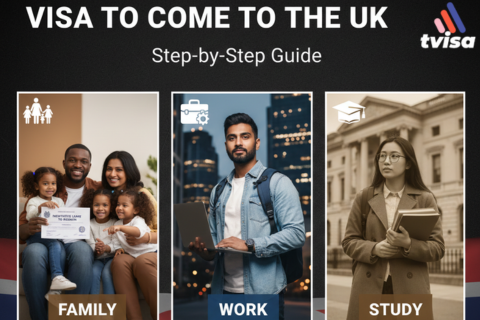
Applying for a UK visa requires careful attention to detail and adherence to strict procedures. This guide walks you through the four key stages of the application process, from choosing the right visa to receiving your decision.
Stage 1: Choose Your Visa and Check Eligibility
Your visa choice is the most critical step and depends on your nationality, your purpose for visiting, the length of your stay, and your personal circumstances.
Before You Apply: You must check if you need a visa and what type you need. Irish citizens do not need to apply for a visa. Your application must be approved before you travel.
| Purpose of Visit | Visa Options | Key Details |
|---|---|---|
| Visit | Standard Visitor Visa (up to 6 months), Marriage Visitor Visa | Used for holidays, seeing family/friends, business trips, short courses. Cannot be used to take a job. |
| Transit | Visa to travel through the UK | Required if you are passing through the UK on your way to another country, especially if you have a layover. |
| Study | Standard Visitor Visa (course up to 6 months), Short-term Study Visa (English language course up to 11 months), Student Visa (longer course, requires licensed sponsor) | A Student visa may allow you to do some work; a Child Student visa is for 4 to 17-year-olds at independent schools. |
| Work | Skilled Worker Visa, Innovator Founder Visa, etc. | Visa required depends on your skills, qualifications, sponsorship status, and the nature of the work (e.g., sporting, charitable, religious). |
| Join Family | Family Visa | For a spouse, partner, or family member of someone with British citizenship or settlement (ILR). The sponsor may need to show financial support. |
Other Permission Routes
- Joining a Family Member on a Visa: You may apply to join a spouse/partner or a parent (if you are under 18) already in the UK on a visa.
- EU Settlement Scheme (EUSS) Family Permit: You can apply for a free permit if you have a close family member (spouse, child, parent, etc.) who was living in the UK by 31 December 2020 and has pre-settled or settled status.
- Commonwealth Citizens: Options include the Ancestry visa (if you have a British grandparent) or checking if you have right of abode.
- Returning Residents: A returning resident visa is needed if you previously had ILR but left the UK for more than two continuous years (or more than five years for EUSS settled status holders).
Stage 2: Prepare and Submit the Online Application
- All applications begin online on the official GOV.UK website, where you fill out the application form, pay the fees, and receive a unique GWF reference number.5
2.1 When to Apply (Application Timelines)
- You should only apply once you have all your necessary supporting documentation (e.g., job offer, CAS).6
- Visit Visas: The earliest you can apply is 3 months before your planned travel date.7
- Most Work Visas: The earliest is 3 months before your employment start date.8
- Student Visas: The earliest is 6 months before your course start date.9
- Settlement (ILR): These can take up to 6 months to process and must be approved before you travel.10
2.2 Financial Commitments
- You must pay two main fees (if applicable) to submit your application:11
- Visa Application Fee: This is non-refundable and varies significantly by visa type and duration.
- Immigration Health Surcharge (IHS): Required for applications to work, study, or join family, if applying to stay for more than 6 months.12
2.3 Required Documents & Proofs
- While the exact list is tailored to your visa, you must gather all required documents and ensure they are ready for submission.
Document Type Visitor Visa Example Skilled Worker Visa Example Identity & Travel Valid passport. Valid passport; Previous passports. Financial Proof Bank statements showing sufficient funds for the trip (held for a specific period). Bank statements showing maintenance funds (if sponsor does not certify maintenance). Purpose Detailed travel itinerary, letter of invitation from a UK host. Certificate of Sponsorship (CoS) reference number, job title, salary, and sponsor licence number. Other Proof of accommodation. Proof of English Language (e.g., test certificate, UK degree); TB test results (if applicable). Translation Requirement: Any document that is not in English or Welsh must be accompanied by a certified English translation.13
Stage 3: Prove Your Identity (Biometrics Appointment)
- After applying and paying online, you must prove your identity and submit your documentation. You will find out during the online application whether you need to attend an appointment or use the app.14
3.1 Visa Application Centre (VAC) Appointment
- The VACs are run by commercial partners (like VFS Global or TLScontact).15
- Booking: You are automatically directed to the VAC partner's website to book an appointment for biometrics.16
- What You Provide: At the appointment, you must submit your fingerprints and photograph (biometric information) and your passport.17
- Document Submission: You will either:
- Self-Upload: Upload all supporting documents online before your appointment (this is often the free option).18
- Document Scanning: Pay a fee to have your documents scanned at the VAC.
- What to Bring: You must bring your passport, a printed copy of your appointment confirmation, and your document checklist.19
3.2 ‘UK Immigration: ID Check’ App
- Some applicants (usually those with biometric passports from certain countries) are directed to use this smartphone app.20
- Process: You scan your identity document and submit a digital photo of your face directly through the app.21
- Documents: You will upload all supporting documents directly into the online application system.22
3.3 Optional Services
- VACs offer paid services to enhance the experience, such as priority appointments, document scanning assistance, or keeping your passport while the application is processed. These services do not guarantee your application will be successful.
Stage 4: Getting a Decision
- UK Visas and Immigration (UKVI) starts processing your application once you have verified your identity and submitted your documents.23
4.1 Processing Times
- The global service standard for most non-settlement visas (Visit, Study, Work) is 3 weeks from the date you attend your biometric appointment.24
- Settlement Visas (ILR/Family): These generally have a longer standard processing time, often around 12 weeks.25
- Faster Decision: You may be able to pay for a Priority or Super Priority service to obtain a quicker decision, if available in your location.26
4.2 Application Outcome
- You will receive a letter or email informing you of the decision.
- Successful: You will receive either an eVisa (a digital record of your status) or a vignette (a sticker placed in your passport), or both. This will detail the type of visa, the validity dates, and the conditions (e.g., 'No work', 'No access to public funds').
- Refused: You will receive a letter explaining the reasons for the refusal. This letter will also confirm whether you have the right to request an Administrative Review or an Immigration Decision Appeal.